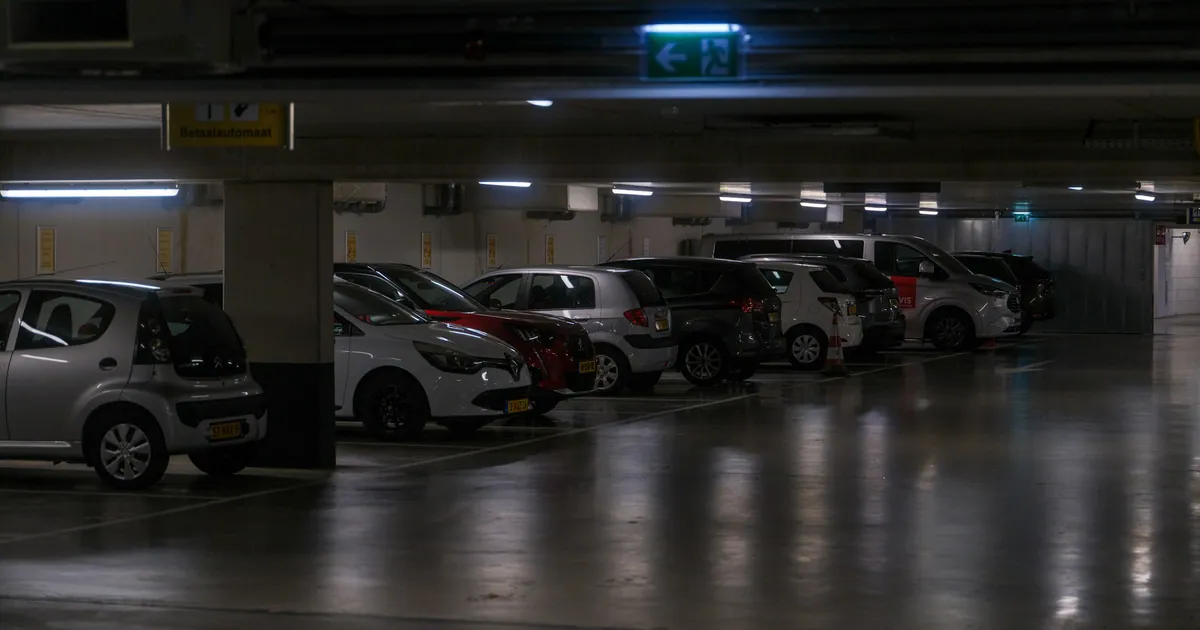
More and more residents in Alicante are buying an electric car and running into the same question: "I live in a flat and my space is in the communal garage — can I install a charger?" The short answer is yes, and the law actually makes it easy. The long answer has a few technical and neighbourly details worth knowing before you start. At ElectriPro Alicante we install charging points in communities across the Costa Blanca, so let us explain it clearly.
Your right: you do not need the community's approval
This is the point that reassures our clients most. Spain's Horizontal Property Law (article 17.5) recognises that installing a charging point for private use in a garage space does not require approval from the owners' meeting. All you need is prior written notice to the community's president or administrator.
In other words: the community cannot vote against it or stop you installing the charger in your own space. The only obligation is to give notice beforehand, so the installation is coordinated properly and routed through the appropriate common area. The cost is borne by whoever installs the point, not by the community.
How the power is connected
This is where sound technical work matters. There are two common ways to feed the charger:
- From your own home meter. A line is run from your flat's panel down to the space. It is straightforward where the distance and the conduit allow it, and you pay for the energy on your usual bill.
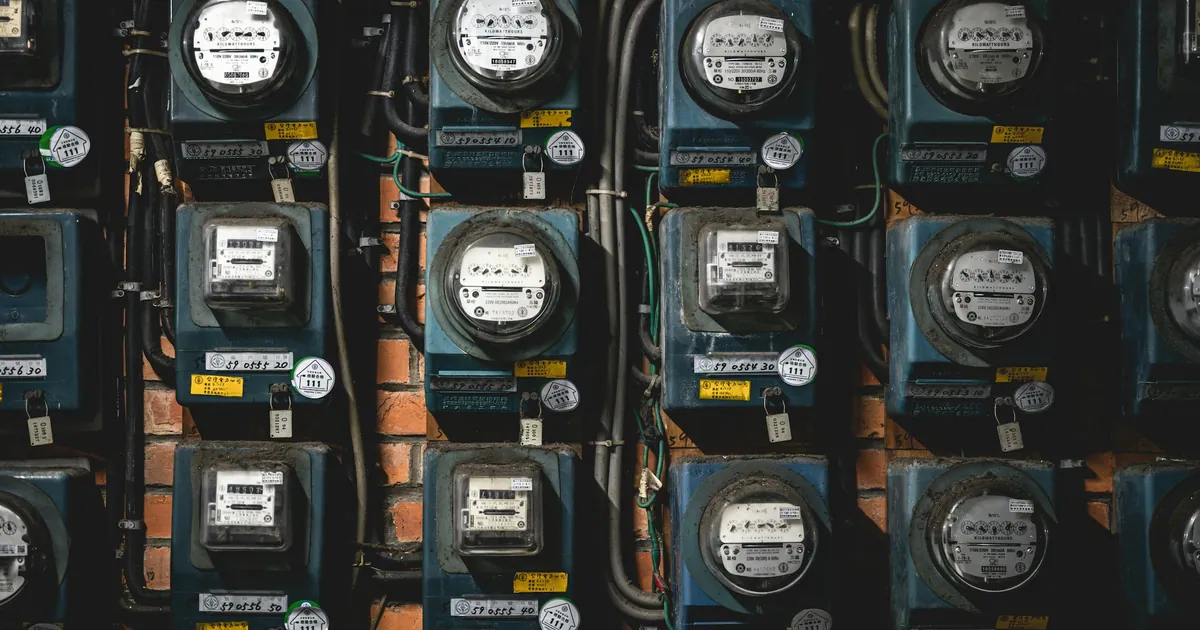
- With an individual feed from the meter room, installing a dedicated secondary meter for the space. This is the cleanest option when the run from the home is very long or there is no viable conduit.
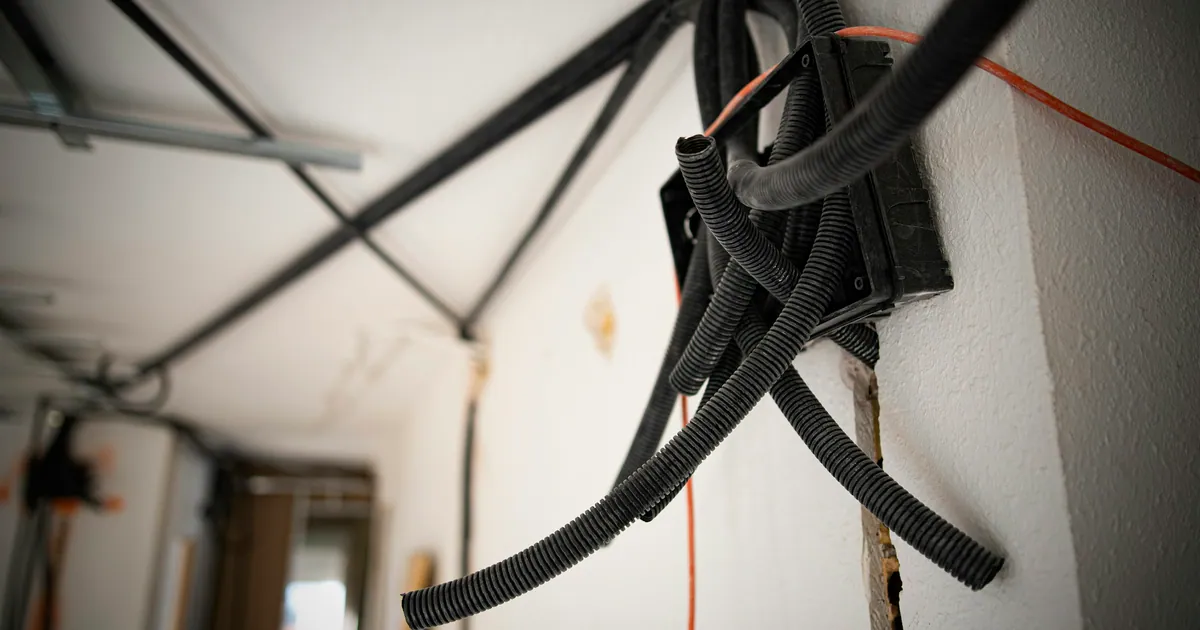
In both cases the installation passes through the common area (the garage), so it is important to leave a tidy, signposted route prepared so that, if other neighbours want their own charger tomorrow, the community can grow without redoing everything. A well-designed community pre-installation avoids future headaches.
Protections, metering and safety
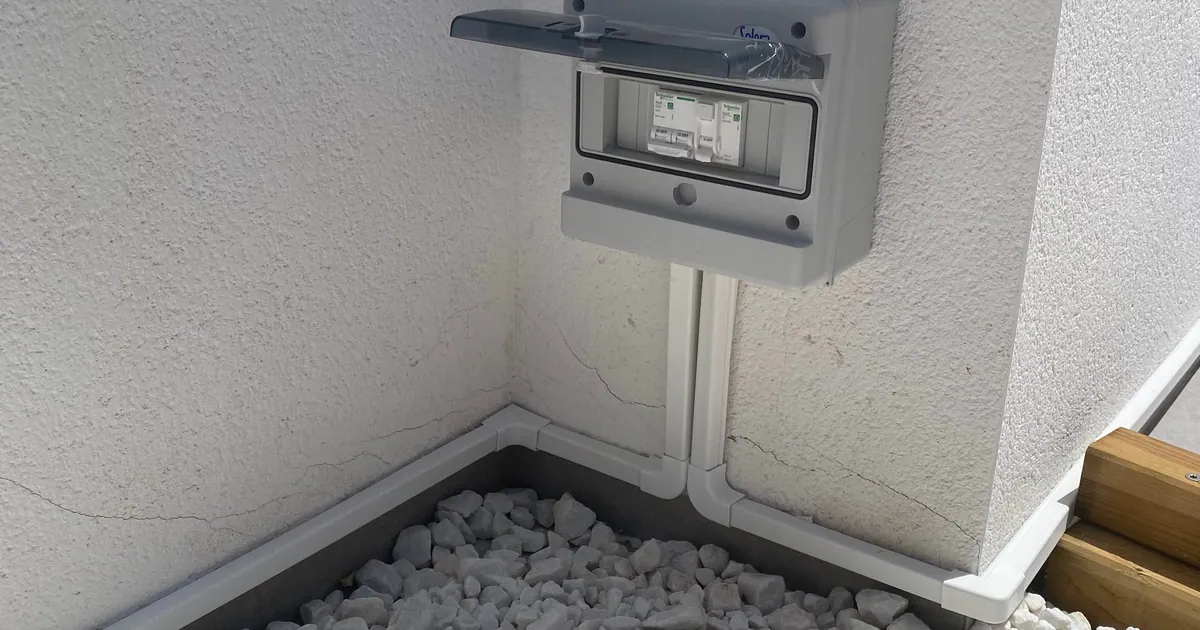
A charging point is not a beefed-up socket. It needs its own dedicated circuit, suitable breaker and residual-current protection, and often a super-immunised or type A-EV RCD to avoid nuisance trips. Garages also call for good earthing and respecting the protection rating against moisture — especially relevant in semi-underground garages near the coast. Each charger includes its own metering so consumption is cleanly attributed to whoever uses it.
Incentives: what is left in 2026
This point needs updating, because old information is still circulating. The MOVES III plan closed its application window on 31 December 2025, and in the Valencian Community the charging programme's funds are exhausted, so no new applications can be made. If your community was awarded a grant under an earlier call and is still within its reporting deadline, we can help with the technical documentation.
For an individual owner, the personal income tax (IRPF) deduction for installing a charging point does continue. It is claimed in your tax return against what you paid, and requires an itemised invoice and an installation certificate from a registered installer. Amounts and deadlines depend on the rules in force when the work is done, so we confirm in writing what applies to your case and recommend checking it with your tax adviser. We cover this in detail in which EV charger incentives are left in 2026.
How much does it cost?
For a communal garage space in Alicante, a home charging point (7.4 kW Wallbox) installed usually costs between €600 and €1,200, depending on the length of the line, whether a secondary meter is needed and the required protections. Installations with a long conduit run or a pre-installation for several neighbours rise from there. We always give a fixed quote after seeing the garage.
Common cases on the Costa Blanca
- Residential communities in Alicante and San Vicente, where the owner installs in their space after giving notice.
- Coastal developments (Playa San Juan, El Campello, Santa Pola) with large garages where it makes sense to leave a pre-installation for several points.
- Second homes owned by non-residents who want to charge the car during their stays without depending on the public network.
The next step
If you have a space in a communal garage and want your charger, the process is easier than it looks: you notify the community, we visit the garage, design the route and protections, install the point and hand you the invoice and certificate you need for your deduction. If you are still unsure whether to feed it from your home or with its own meter, we assess it during the visit.
See our charging points for communities and garages in Alicante service, take a look at home charger installation too, or request a quote. The visit is free and the quote comes with no obligation.
A charger in your communal garage?
We install charging points in communities and garages across Alicante and the Costa Blanca, with a dedicated meter if needed, and a closed quote after the visit.
See community charging points